Science
Espervita Therapeutics is focused on the discovery of metabolic reprogramming therapies, with a lead program developing first-in-class liver- and kidney-specific acetyl-CoA metabolic enzyme inhibitors.
Jump to publications ↓Acetyl-CoA Metabolic Enzymes
Acetyl-CoA links carbohydrate and fat metabolism and serves as a primary building block for fatty acids, triglycerides, and cholesterol. Aberrant production and utilization of acetyl-CoA is a driver of metabolic-dysfunction associated steatohepatitis (MASH), chronic kidney disease (CKD), and fibrotic remodeling in the liver and kidney. Espervita's lead compound, EVT0185, is a first-in-class, liver- and kidney-selective inhibitor of acetyl-CoA metabolic enzymes that demonstrates broad efficacy in preclinical models—lowering blood glucose and lipid synthesis, reversing MASH and liver fibrosis, preserving kidney function, and decreasing HCC tumor burden.
Published research
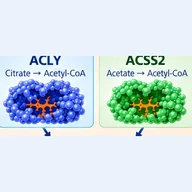
Dual inhibition of ACLY and ACSS2 by EVT0185 reduces steatosis, hepatic stellate cell activation, and fibrosis in mouse models of MASH
 Published inCell Metabolism 2026
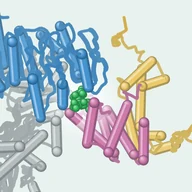
ACLY inhibition promotes tumour immunity and suppresses liver cancer
 Published inNature 2025
Espervita press releases
Espervita’s EVT0185 Shows Dramatic Tumor Reduction and Immune Activation in Preclinical MASH-Driven Hepatocellular Carcinoma
July 30, 2025
Published inNature 2025Read press release ↗Espervita’s EVT0185 Demonstrates Reversal of Metabolic Dysfunction and Liver Fibrosis in Cell Metabolism Publication
January 6, 2026
Published inCell Metabolism 2026Read press release ↗EVT0185 liver metabolism